You know, nailing a tech job today isn’t just about your coding prowess or how well you can configure a network. While those hard skills are absolutely non-negotiable, what truly sets apart the good from the great—and helps you climb that career ladder—are your soft skills. These are the interpersonal, communication, and problem-solving abilities that allow you to work effectively with others, adapt to change, and drive projects forward in a meaningful way. In a world where technology evolves daily, these human-centric skills are more crucial than ever for thriving in a technology career.
The Human Element: Why Soft Skills Matter More Than Ever
In the fast-paced, often collaborative world of technology, technical knowledge alone isn’t enough to guarantee long-term success. Think about it: a brilliant but isolated engineer might produce excellent code, but if they can’t explain its functionality to a project manager or collaborate effectively with a QA team, their impact is limited. The tech industry, particularly in 2026, is built on teams, iterative development, and constant communication. Companies are increasingly looking for individuals who can not only build amazing things but also integrate seamlessly into a team, understand user needs, and contribute to a positive and productive work environment. Soft skills bridge the gap between individual technical excellence and collective project success, making them truly essential for anyone aiming for a fulfilling and impactful technology career.
The Shifting Landscape of Tech Roles
Gone are the days when a developer could solely focus on their code in a silo. Modern tech roles, from cybersecurity analysts to AI/ML engineers, demand a much broader skillset. Project scopes are often interdisciplinary, requiring individuals to interact with diverse stakeholders, from marketing teams to executive leadership. This means being able to translate complex technical concepts into understandable language, manage expectations, and contribute to strategic discussions. The emphasis has shifted from purely individual contribution to collective innovation, driven by effective communication and collaboration.
Automation and the Uniquely Human Advantage
As automation and AI continue to handle more routine, repetitive tasks, the demand for uniquely human skills is growing exponentially. Machines can write code, analyze data, and even design basic interfaces, but they can’t yet navigate complex interpersonal dynamics, understand nuanced emotional cues, or brainstorm truly innovative solutions born from diverse perspectives. These are areas where human soft skills shine. Developing strong soft skills essentially future-proofs your career, making you invaluable in an increasingly automated landscape by focusing on contributions that AI cannot replicate.
In today’s rapidly evolving technology landscape, possessing key soft skills is just as important as technical expertise. A related article that delves into the significance of critical thinking as a vital soft skill in technology careers can be found at this link. The article emphasizes how critical thinking enhances problem-solving abilities and fosters innovation, making it essential for professionals aiming to thrive in the tech industry.
Communication: The Cornerstone of Collaboration
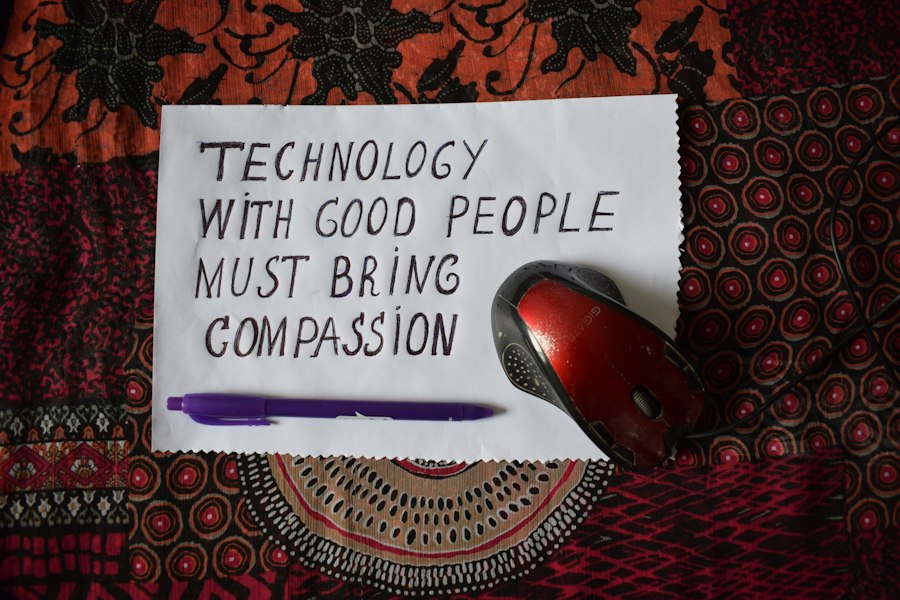
Effective communication is arguably the most fundamental soft skill in any professional setting, but its importance is magnified in technology. Whether you’re explaining a complex system design, documenting code, or providing feedback to a peer, clarity, conciseness, and empathy are paramount. Misunderstandings can lead to costly errors, delays, and frustrated team members. Strong communication ensures everyone is on the same page, reducing friction and accelerating progress.
1. Clear and Concise Explanation
Being able to distill complex technical concepts into understandable language for non-technical stakeholders is a superpower. Imagine you’re a software engineer explaining a new API integration to a marketing team. If you bombard them with jargon, they’ll glaze over. Instead, focusing on the “what it does” and “why it matters” from their perspective is key. This isn’t about dumbing down information, but rather tailoring your message to your audience. This skill is vital for presentations, documentation, and even casual conversations that move projects forward.
2. Active Listening and Empathy
Communication isn’t just about speaking; it’s heavily about listening. Active listening means truly hearing and understanding what others are saying, not just waiting for your turn to speak. In a tech context, this translates to understanding user requirements, internal team feedback, or even a client’s frustrations. Empathy goes hand-in-hand with this, allowing you to put yourself in someone else’s shoes and understand their perspective or pain points. For a UX designer, this means truly understanding user journeys. For a developer, it means anticipating how changes might impact other teams. It leads to more thoughtful solutions and stronger relationships.
3. Effective Written Communication
From emails and instant messages to technical documentation and commit messages, written communication is constant in technology. Clarity, conciseness, and accuracy are critical. Poorly written documentation can lead to hours of confusion, while unclear emails can cause misinterpretations. Mastering the art of writing succinct, informative, and professional communications saves time, reduces errors, and ensures information is disseminated effectively across teams and projects.
Collaboration: Building Better Solutions Together
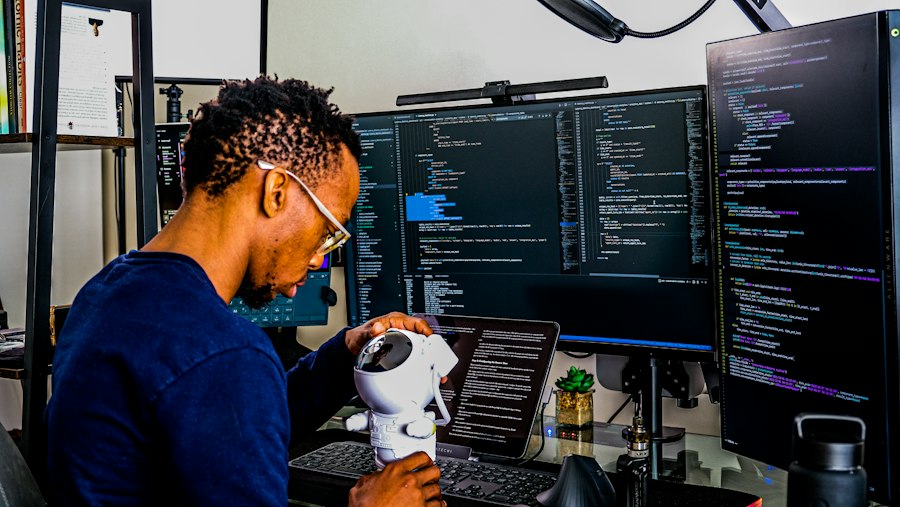
Technology projects are rarely solitary endeavors. They involve teams of developers, designers, product managers, quality assurance specialists, and more, all working towards a common goal. Strong collaborative skills mean being able to contribute positively to a team, share knowledge, resolve conflicts constructively, and work effectively in diverse groups. This isn’t just about “getting along,” but about leveraging collective intelligence to build superior products and services.
4. Teamwork and Interpersonal Skills
Being a good team player involves contributing your fair share, supporting colleagues, and being reliable. It also means understanding team dynamics, knowing when to lead and when to follow, and fostering a positive group environment. Strong interpersonal skills allow you to build rapport, navigate different personalities, and contribute to a cohesive and productive team. This is particularly crucial in agile environments where cross-functional teams are the norm, requiring constant interaction and mutual support.
5. Conflict Resolution and Negotiation
Disagreements are inevitable, whether it’s about architectural decisions, project priorities, or code implementation. The key isn’t to avoid conflict, but to resolve it constructively. This involves identifying the root cause of the disagreement, actively listening to all perspectives, finding common ground, and working towards a mutually acceptable solution. Negotiation skills come into play when balancing competing priorities or resources, ensuring that team goals are still met while individual concerns are addressed respectfully.
Adaptability and Continuous Learning: Navigating Constant Change
The tech industry is defined by its relentless pace of change. New languages, frameworks, tools, and methodologies emerge constantly. What was cutting-edge yesterday might be legacy code tomorrow. Therefore, the ability to adapt to new situations, embrace change, and commit to continuous learning isn’t just beneficial; it’s absolutely essential for career longevity and success in any technology career today.
6. Agility and Embracing Change
Being adaptable means being open to new ideas, flexible in your approach, and able to pivot quickly when circumstances demand it. In technology, this could mean learning a new programming language for a project, adjusting to a sudden shift in project scope, or adopting a new team process. Those who resist change often find themselves falling behind. An agile mindset – being responsive to feedback and able to iterate quickly – is crucial in modern development cycles.
7. Curiosity and Lifelong Learning
The best tech professionals are perpetually curious. They’re not content with what they already know; they’re always exploring new technologies, understanding emerging trends, and seeking to deepen their expertise. This involves independent research, taking online courses, attending conferences, and learning from peers. A commitment to lifelong learning ensures you remain relevant, innovative, and valuable in an ever-evolving field. Without this innate drive to learn, skills quickly become outdated.
In today’s rapidly evolving technology landscape, possessing key soft skills is just as important as technical expertise. For those looking to enhance their career prospects in the tech industry, understanding the significance of communication, teamwork, and adaptability can be crucial. A related article that delves deeper into this topic can be found at Work Skills, where you can explore various resources and insights on how to effectively develop these essential skills. Emphasizing both hard and soft skills can set candidates apart in a competitive job market.
Problem-Solving and Critical Thinking: Beyond the Code
| Soft Skill | Description | Importance Level | Typical Use in Technology Careers |
|---|---|---|---|
| Communication | Ability to clearly convey ideas and technical information to diverse audiences. | High | Collaborating with team members, writing documentation, and presenting solutions. |
| Problem-Solving | Analyzing complex issues and developing effective solutions. | High | Debugging code, optimizing systems, and troubleshooting technical challenges. |
| Adaptability | Willingness and ability to learn new technologies and adjust to changing environments. | High | Keeping up with evolving tools, frameworks, and industry trends. |
| Teamwork | Collaborating effectively with colleagues to achieve common goals. | High | Participating in agile development, code reviews, and cross-functional projects. |
| Time Management | Prioritizing tasks and managing time efficiently to meet deadlines. | Medium | Delivering projects on schedule and balancing multiple responsibilities. |
| Critical Thinking | Evaluating information objectively to make reasoned decisions. | Medium | Assessing system requirements and choosing appropriate technologies. |
| Emotional Intelligence | Understanding and managing one’s own emotions and empathizing with others. | Medium | Resolving conflicts and fostering positive workplace relationships. |
| Creativity | Generating innovative ideas and approaches to technical problems. | Medium | Designing user-friendly interfaces and developing novel solutions. |
At its core, much of technology is about solving problems. Whether it’s debugging a complex system, architecting a scalable solution, or designing an intuitive user interface, the ability to think critically, analyze situations, and devise effective solutions is paramount. These skills go beyond simply knowing how to use tools; they involve understanding the “why” and “how” behind the solutions.
8. Analytical and Critical Thinking
This involves breaking down complex problems into smaller, manageable parts, identifying the root causes of issues, and evaluating potential solutions logically. It’s about not just fixing a bug, but understanding why the bug occurred and implementing safeguards to prevent recurrence. Critical thinking also means evaluating information, identifying biases, and making reasoned judgments, which is crucial when assessing new technologies or project proposals.
9. Resourcefulness and Initiative
When faced with a challenge, being resourceful means finding creative ways to overcome obstacles, even with limited information or resources. It’s about not waiting to be told what to do, but proactively seeking solutions, experimenting, and taking ownership. This could involve finding obscure documentation, reaching out to community experts, or creatively repurposing existing tools to solve a novel problem. Taking initiative shows you are invested and reliable.
In today’s rapidly evolving technology landscape, possessing strong soft skills is just as crucial as technical expertise. A recent article highlights the importance of work ethic as a key soft skill that can significantly impact career success in tech fields. By developing these interpersonal skills, professionals can enhance collaboration and communication within their teams. For more insights on this topic, you can read the article on work ethic and its relevance in the tech industry here.
Resilience and Professionalism: Sustaining Success
The technology industry can be demanding, with tight deadlines, complex challenges, and occasional setbacks. Building resilience—the ability to bounce back from failure, handle pressure, and maintain a positive outlook—is crucial for long-term well-being and career success. Alongside this, maintaining a high level of professionalism in all interactions ensures you build a strong reputation and foster trust.
10. Grit and Adaptability to Setbacks
Projects don’t always go according to plan. Code breaks, deployments fail, and deadlines shift. Grit is about persevering through these challenges, learning from mistakes, and maintaining a positive attitude even when things get tough. It’s about not giving up when confronted with a difficult problem, but rather seeing it as an opportunity to learn and grow. This mental toughness is invaluable in a field that constantly pushes boundaries. Handling constructive criticism well and using it to improve is a key part of this resilience.
FAQs
What are soft skills in technology careers?
Soft skills in technology careers refer to interpersonal attributes and personality traits that enable individuals to effectively communicate, collaborate, and interact with others in the workplace. These skills complement technical abilities and include communication, teamwork, problem-solving, adaptability, and emotional intelligence.
Why are soft skills important in technology careers?
Soft skills are crucial in technology careers because they enhance collaboration and communication among team members, improve project management, and foster a positive work environment. As technology projects often involve cross-functional teams, strong soft skills help ensure that technical solutions align with business needs and user expectations.
Which soft skills are most valued in technology roles?
Some of the most valued soft skills in technology roles include effective communication, teamwork, critical thinking, adaptability, and time management. These skills help professionals navigate complex projects, work efficiently with diverse teams, and respond to changing technological landscapes.
How can professionals develop their soft skills in technology?
Professionals can develop their soft skills in technology through various methods, such as participating in team projects, seeking feedback from peers, attending workshops or training sessions, and engaging in networking opportunities. Additionally, practicing active listening and effective communication in everyday interactions can help strengthen these skills.
Are soft skills more important than technical skills in technology careers?
While technical skills are essential for performing specific tasks in technology careers, soft skills are increasingly recognized as equally important. Employers often seek candidates who not only possess the necessary technical expertise but also demonstrate strong interpersonal skills, as these contribute to overall team success and project outcomes.
About the Author