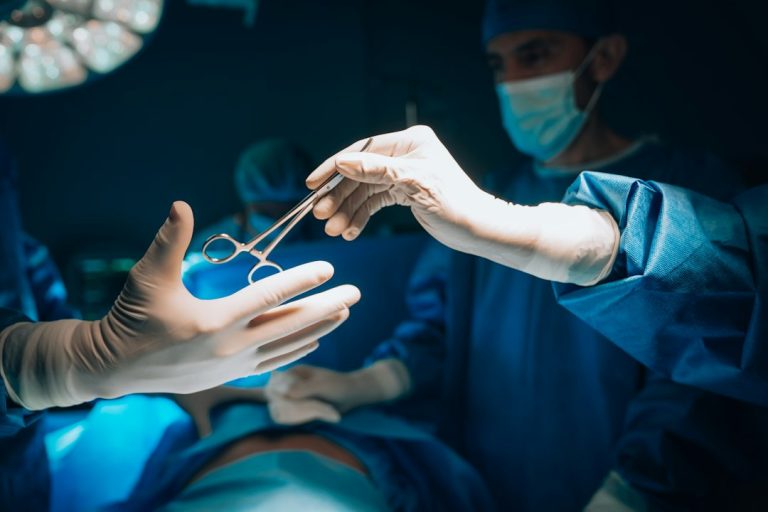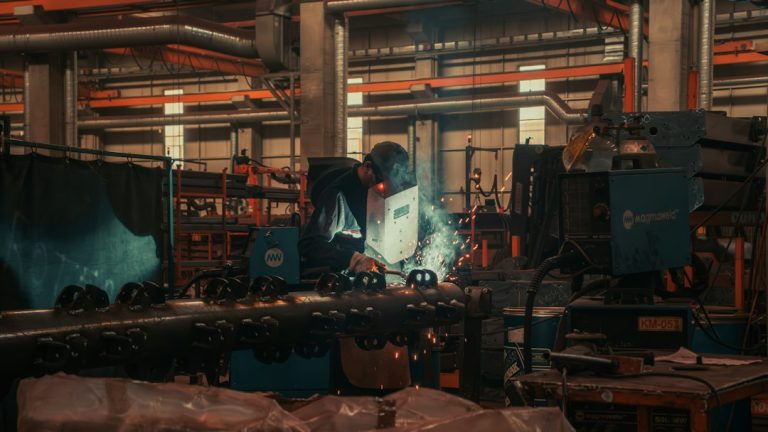
When it comes to thriving in a manufacturing career, it’s not just about knowing how to operate machinery or understand complex blueprints. While technical skills are undeniably crucial, the reality in today’s manufacturing landscape, especially looking at 2026 and beyond, is that soft skills are increasingly becoming the differentiators between good and truly exceptional employees. These are the human-centric abilities that allow you to navigate team dynamics, solve unexpected problems, and contribute positively to a productive work environment. Simply put, soft skills are the grease that keeps the highly technical gears of modern manufacturing running smoothly.
Understanding the Shift in Manufacturing
The manufacturing sector has undergone a significant transformation. We’re far past the days of purely repetitive tasks on an assembly line. Automation, Industry 4.0, advanced robotics, and data analytics have redefined job roles. This shift means that while machines handle many of the precise, high-volume tasks, human workers are now more focused on oversight, problem-solving, collaboration, continuous improvement, and adapting to new technologies. This evolution puts a spotlight on soft skills as essential for navigating these more complex and dynamic work environments.
The Rise of Automation and Its Impact
With automation taking over more routine and physically demanding tasks, human roles in manufacturing are evolving. Instead of being the hands-on operators for every step, workers are increasingly supervising automated processes, programming robots, analyzing data from smart sensors, and maintaining complex interconnected systems. This change demands a higher level of critical thinking, adaptability, and the ability to work alongside intelligent machines, not just operate them. The human element shifts from brute force to brainpower, making communication and problem-solving paramount.
The Need for Human-Centric Skills
Even with the most advanced technology, manufacturing facilities are still made up of people. Teams collaborate on projects, address safety concerns, innovate new processes, and troubleshoot unexpected issues. Machines don’t solve interpersonal conflicts or motivate a struggling team member. These human-centric skills are what ensure a positive work culture, drive innovation, and maintain efficiency in an environment that’s constantly pushing for more sophisticated production methods. Without strong soft skills, even the most technically brilliant individuals can struggle to integrate effectively and contribute to overall success.
In today’s manufacturing careers, possessing key soft skills is just as crucial as technical expertise. Effective communication, teamwork, and problem-solving abilities can significantly enhance productivity and workplace harmony. For a deeper understanding of the importance of communication skills in various professional settings, you can refer to this insightful article on soft skills: Soft Skills: Communication. This resource highlights how mastering these skills can lead to greater success in the manufacturing industry and beyond.
Top 10 Key Soft Skills for Manufacturing Success
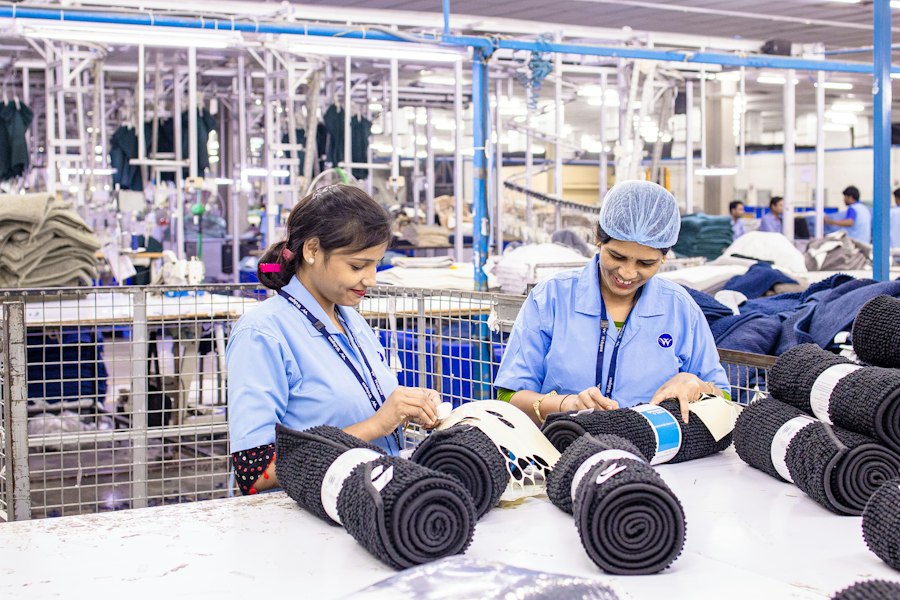
Here’s a breakdown of the most critical soft skills that will help you excel and advance in a manufacturing career in 2026 and beyond. These aren’t just buzzwords; they are practical abilities that directly impact productivity, safety, and innovation.
1. Problem-Solving and Critical Thinking
In manufacturing, things rarely go exactly as planned. Equipment breaks down, quality issues arise, supply chain disruptions occur, or a process isn’t yielding expected results. The ability to identify the root cause of an issue, analyze available data, and devise effective solutions quickly and logically is invaluable. This isn’t just about fixing what’s broken; it’s also about proactively identifying potential problems and implementing preventative measures.
Root Cause Analysis
Being able to perform a thorough root cause analysis is a cornerstone of problem-solving in manufacturing. This involves going beyond the superficial symptom to understand the underlying issue. Techniques like the “5 Whys” or Ishikawa (fishbone) diagrams are often employed to systematically uncover why a problem occurred. A critical thinker won’t just slap a temporary fix on something; they’ll dig deep to ensure the problem doesn’t recur, saving time, resources, and potential safety hazards in the long run.
Data-Driven Decision Making
Modern manufacturing generates vast amounts of data, from sensor readings on machines to production metrics and quality control reports. Critical thinking involves being able to interpret this data, identify trends or anomalies, and use it to make informed decisions. Whether it’s optimizing machine parameters, adjusting production schedules, or predicting maintenance needs, leveraging data effectively requires more than just looking at numbers – it requires understanding their context and implications.
2. Adaptability and Flexibility
The manufacturing landscape is in constant flux. New technologies are introduced, production demands shift, processes are refined, and market conditions change. The ability to embrace change, learn new skills quickly, and adjust to evolving priorities without significant stress or resistance is incredibly important. Being rigid in your approach or resistant to new methods can quickly make you obsolete.
Embracing New Technologies
From collaborative robots (cobots) to augmented reality (AR) for maintenance, new technologies are continuously integrated into manufacturing operations. An adaptable individual views these advancements not as threats, but as opportunities to learn and enhance their capabilities. They are open to training on new software, operating different types of machinery, or adopting new digital workflows, understanding that continuous learning is essential for career longevity.
Navigating Shifting Priorities
Manufacturing often operates in a dynamic environment where production schedules, customer orders, or unexpected equipment failures can quickly alter daily tasks. Flexibility means being able to pivot your focus, re-prioritize tasks, and adjust your work plan to meet immediate needs without sacrificing overall efficiency or quality. This might mean temporarily assisting another team, learning a new task on the fly, or working on a different project than originally planned.
In today’s manufacturing landscape, possessing key soft skills is just as crucial as having technical expertise. Effective communication, teamwork, and problem-solving abilities can significantly enhance productivity and workplace harmony. For those looking to understand the importance of these skills in various careers, a related article can provide valuable insights. You can explore more about the balance between hard and soft skills in this informative piece on hard skills in manufacturing careers by visiting this link.
3. Communication Skills
Effective communication is the glue that holds any successful team or operation together. In manufacturing, it’s crucial for everything from conveying safety instructions and understanding technical specifications to collaborating on projects and resolving disputes. Both verbal and written communication need to be clear, concise, and unambiguous.
Clear Verbal Communication
Whether you’re giving a handover at the end of a shift, explaining a procedure to a new team member, or raising a safety concern, clear verbal communication is paramount. It involves speaking directly, listening actively, asking clarifying questions, and ensuring that your message is understood by your audience, who may have varying levels of technical expertise. Miscommunication in manufacturing can lead to costly errors, downtime, or even accidents.
Effective Written Communication
From filling out maintenance logs and writing incident reports to documenting standard operating procedures (SOPs) and emailing colleagues or suppliers, clear written communication is just as vital. It requires precision, proper grammar, and the ability to convey complex technical information in an understandable format. Well-documented processes and reports are essential for regulatory compliance, historical tracking, and continuous improvement efforts.
4. Teamwork and Collaboration
Modern manufacturing is rarely a solo endeavor. Production lines, maintenance crews, quality control teams, and engineering departments all need to work together seamlessly. The ability to contribute positively to a team, share knowledge, support colleagues, and resolve conflicts constructively is critical for achieving production goals and fostering a positive work environment.
Interdepartmental Collaboration
Successful manufacturing often requires cross-functional collaboration. For instance, production teams might need to work closely with quality control to address defects, or with maintenance to schedule equipment repairs. Understanding how your role fits into the larger operational picture and being willing to collaborate with different departments to achieve shared goals is a mark of a valuable team member.
Conflict Resolution
Even in the best teams, disagreements can arise. Whether it’s a difference of opinion on how to approach a task or a misunderstanding between colleagues, the ability to address conflicts respectfully and work towards a mutually agreeable solution is essential. This often involves active listening, empathy, and focusing on the problem at hand rather than personal attacks.
5. Attention to Detail and Quality Focus
In manufacturing, precision and accuracy are non-negotiable. Mistakes can be costly, leading to product recalls, wasted materials, production delays, or even safety incidents. A keen eye for detail ensures that processes are followed correctly, products meet specifications, and quality standards are consistently maintained.
Adherence to Standards and Procedures
Every manufacturing facility has a set of standard operating procedures (SOPs), quality control checklists, and safety protocols. Strong attention to detail means meticulously following these guidelines, understanding their importance, and recognizing when something is amiss. This includes accurately reading measurements, verifying material specifications, and performing inspections with diligence.
Identifying and Addressing Defects
A quality-focused individual is not just someone who follows instructions; they are proactive in identifying potential defects or deviations from quality standards. This involves routine checks, understanding acceptable tolerances, and promptly reporting any issues that could compromise product quality or safety. Their vigilance contributes directly to customer satisfaction and the company’s reputation.
6. Safety Consciousness
Safety is paramount in any manufacturing environment. This soft skill isn’t just about following rules; it’s about having a proactive mindset toward identifying and mitigating hazards, looking out for colleagues, and understanding the potential consequences of unsafe practices. A strong safety culture relies on every individual’s commitment.
Proactive Hazard Identification
Beyond simply obeying safety signs, a safety-conscious individual is constantly scanning their environment for potential hazards. This could involve noticing a slippery patch on the floor, an unlatched guard on a machine, or an improperly stored chemical. The ability to spot these issues before they cause an incident and report them is invaluable.
Adherence to Lockout/Tagout and Other Protocols
Understanding and rigorously applying safety protocols, such as Lockout/Tagout (LOTO) procedures for equipment maintenance, is non-negotiable. It demonstrates a deep respect for personal safety and the safety of others. This also extends to using appropriate personal protective equipment (PPE) and ensuring colleagues are also following all safety guidelines.
7. Initiative and Proactiveness
Waiting to be told what to do is not a recipe for success in a dynamic manufacturing setting. Taking initiative means identifying opportunities for improvement, anticipating needs, and acting without constant supervision. This could involve suggesting process optimizations, offering help to a struggling colleague, or addressing a minor issue before it escalates.
Continuous Improvement Mindset
A proactive individual often has a continuous improvement mindset. They’re not content with the status quo but are always looking for ways to make processes more efficient, safer, or of higher quality. This could involve suggesting tweaks to a machine setup, proposing a better way to organize tools, or identifying areas for waste reduction.
Self-Management and Accountability
Taking initiative also ties into strong self-management. This means being able to prioritize your own tasks, manage your time effectively, and take ownership of your responsibilities. It’s about being accountable for your work, meeting deadlines, and following through on commitments without needing constant reminders or oversight.
8. Time Management and Organization
Efficiency is a cornerstone of manufacturing. The ability to manage your time effectively, prioritize tasks, and keep your workspace organized directly contributes to productivity and reduces errors. Good time management ensures deadlines are met, and organized workflows prevent delays and improve safety.
Prioritization of Tasks
In a busy manufacturing environment, there are often multiple tasks demanding attention. Effective time management involves being able to prioritize these tasks based on urgency, importance, and impact on production. This might mean addressing a critical equipment issue before a routine maintenance check or focusing on a high-priority order.
Maintaining an Organized Workspace
An organized workspace is not just aesthetically pleasing; it’s crucial for efficiency and safety. Knowing where tools, materials, and documentation are located saves time, reduces the risk of errors, and minimizes clutter that could pose a tripping hazard. A well-maintained workstation reflects a professional and detail-oriented approach to work.
9. Technical Aptitude and Continuous Learning
While technical skills are fundamental, the soft skill aspect here is the aptitude and willingness to continuously learn and adapt to new technologies. Manufacturing is constantly evolving, and staying relevant means having an appetite for knowledge and the ability to grasp new technical concepts quickly.
Embracing New Software and Equipment
Modern manufacturing relies heavily on sophisticated software for CAD/CAM, ERP systems, and process control, as well as advanced robotics and automated machinery. A strong technical aptitude means you’re comfortable learning and operating these new tools, understanding that they are essential for improved efficiency and precision. This isn’t about being a programmer, but about being able to interact effectively with the technology that defines the factory floor.
Seeking Knowledge and Training Opportunities
A truly successful manufacturing professional understands that learning doesn’t stop after initial training. They actively seek out opportunities for professional development, whether it’s through company-provided training, online courses, or simply asking more experienced colleagues for insights. This proactive approach to skill development ensures they remain valuable as technology progresses.
10. Resilience and Stress Management
Manufacturing environments can be demanding. Tight deadlines, unexpected breakdowns, high-pressure situations, and the need for sustained focus can be stressful. The ability to remain calm under pressure, bounce back from setbacks, and manage stress effectively is crucial for maintaining performance and preventing burnout.
Handling High-Pressure Situations
There will be times when production is behind schedule, a critical machine has failed, or a rush order needs to be completed. Resilience means being able to perform effectively in these high-pressure moments without succumbing to panic or making rash decisions. It involves maintaining composure and focusing on finding solutions.
Learning from Mistakes
Everyone makes mistakes. Resilience in manufacturing means viewing errors not as failures, but as learning opportunities. It’s about taking responsibility, understanding what went wrong, implementing corrective actions, and moving forward with a renewed commitment to improvement. This mindset fosters continuous growth and prevents repeat issues.
Cultivating These Skills for Career Advancement
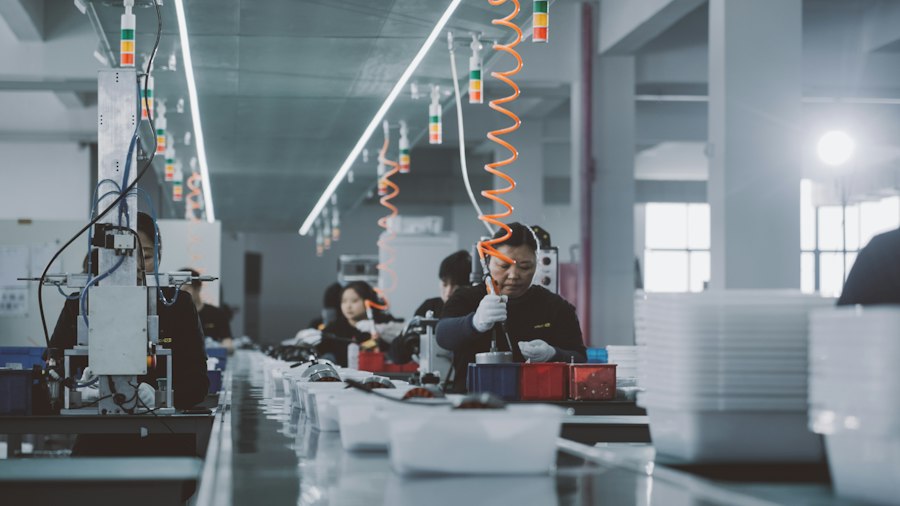
Developing these soft skills isn’t an overnight process, but it’s an investment that will pay significant dividends throughout your manufacturing career. Actively seek opportunities to practice and refine them. Participate in team projects, volunteer for problem-solving initiatives, ask for feedback on your communication style, and embrace training on new technologies. Many companies offer internal workshops or online courses that can help you hone these abilities. By focusing on both your technical expertise and these crucial soft skills, you’ll not only succeed but also differentiate yourself as a valuable and indispensable asset in the evolving world of manufacturing.
FAQs
What are soft skills in the context of manufacturing careers?
Soft skills in manufacturing careers refer to interpersonal attributes and personality traits that enhance an individual’s ability to work effectively with others. These include communication, teamwork, problem-solving, adaptability, and time management, which are essential for fostering a collaborative and efficient work environment.
Why are soft skills important in manufacturing?
Soft skills are crucial in manufacturing because they facilitate better collaboration among team members, improve communication, and enhance overall productivity. As manufacturing processes become more complex and technology-driven, the ability to work well with others and adapt to changes is increasingly valued by employers.
Which soft skills are most sought after in manufacturing jobs?
Some of the most sought-after soft skills in manufacturing jobs include effective communication, teamwork, critical thinking, adaptability, and attention to detail. Employers look for candidates who can not only perform technical tasks but also contribute positively to the workplace culture and collaborate with diverse teams.
How can individuals develop their soft skills for a manufacturing career?
Individuals can develop their soft skills for a manufacturing career through various methods, such as participating in team projects, seeking feedback from peers, attending workshops or training sessions, and engaging in role-playing exercises. Additionally, volunteering for leadership roles in group settings can help enhance these skills.
Are soft skills as important as technical skills in manufacturing?
Yes, soft skills are often considered equally important as technical skills in manufacturing. While technical skills are necessary for performing specific tasks, soft skills enable individuals to work effectively in teams, adapt to changes, and solve problems, which are vital for success in a dynamic manufacturing environment.
About the Author